

The Best Way to Trade In a Car Starts Before the Appraisal
The best way to trade in a car is to check its value, clean it, gather service records, and compare offers before you accept one. If you’re buying another vehicle, look at the whole deal: the trade-in credit, your loan balance, and any sales tax savings your state allows.
At Autobon Motors in Fort Lauderdale, you can book an appointment online, bring your car, review an instant offer from an advisor, and get paid on the spot if you accept. It’s a personal, local process without a drawn-out negotiation.
I’m Marcos Bravo, and I’ve spent more than 25 years helping South Florida drivers navigate vehicle sales and purchases. I’ll show you how to decide whether trading in or selling for cash is the best way to trade in a car for your needs.
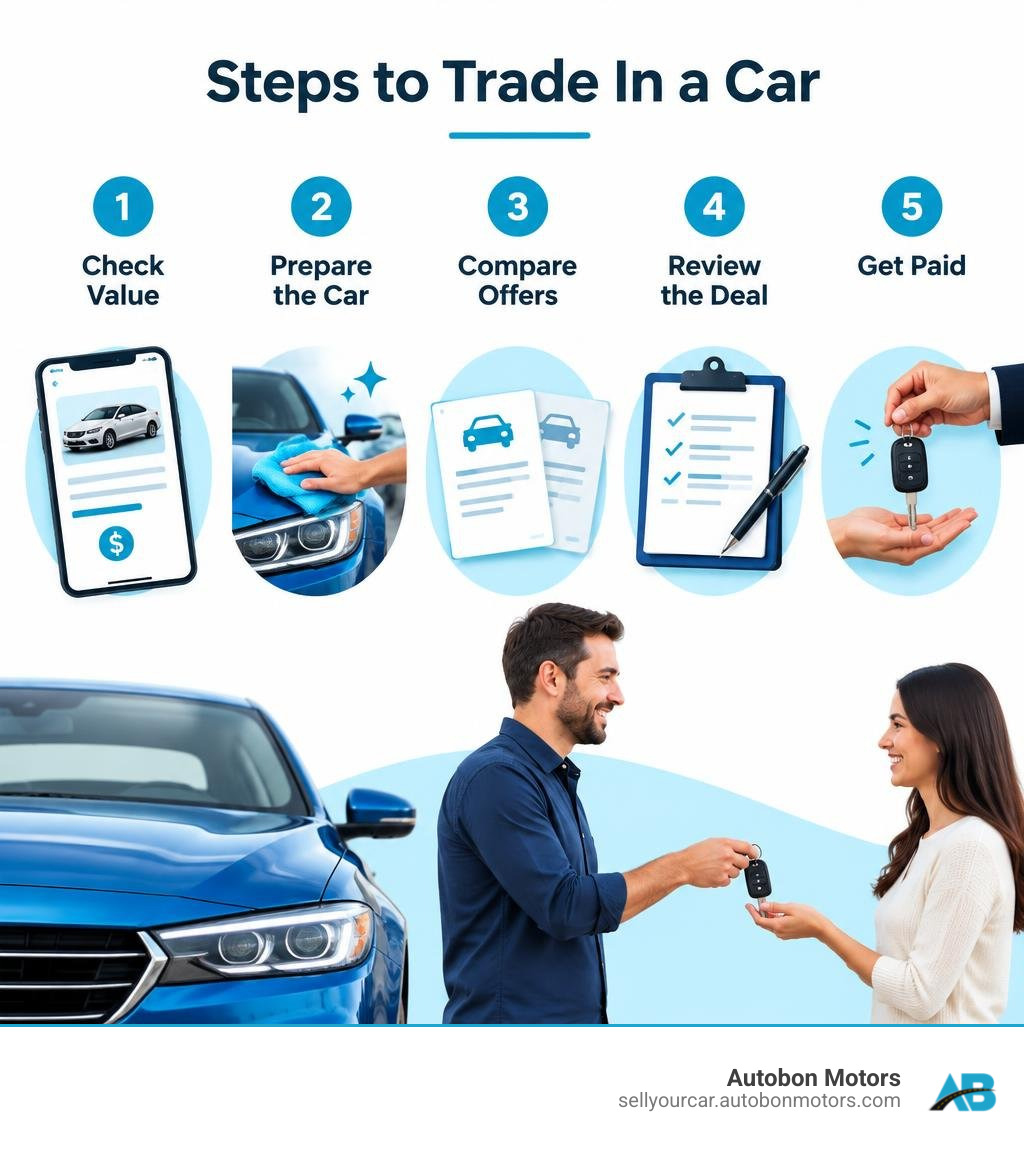
Basic best way to trade in a car glossary:
Understanding How Car Trade-Ins Work and How Value Is Determined
When you trade in a vehicle, you transfer its ownership to a dealership in exchange for a credit applied toward another purchase or as a straightforward cash buyout. Understanding this transaction requires looking at how automotive appraisers determine what your vehicle is worth on the wholesale market.
Dealership valuations reflect wholesale market pricing, which is typically around 30% below retail pricing. When a dealer acquires your car, they factor in reconditioning expenses, inspection costs, market holding risks, and resale profit margins. In our current market environment in November 2026, the retail-to-wholesale spread remains defined by inventory availability and consumer demand across South Florida, including Fort Lauderdale, Miami, and throughout Broward County.
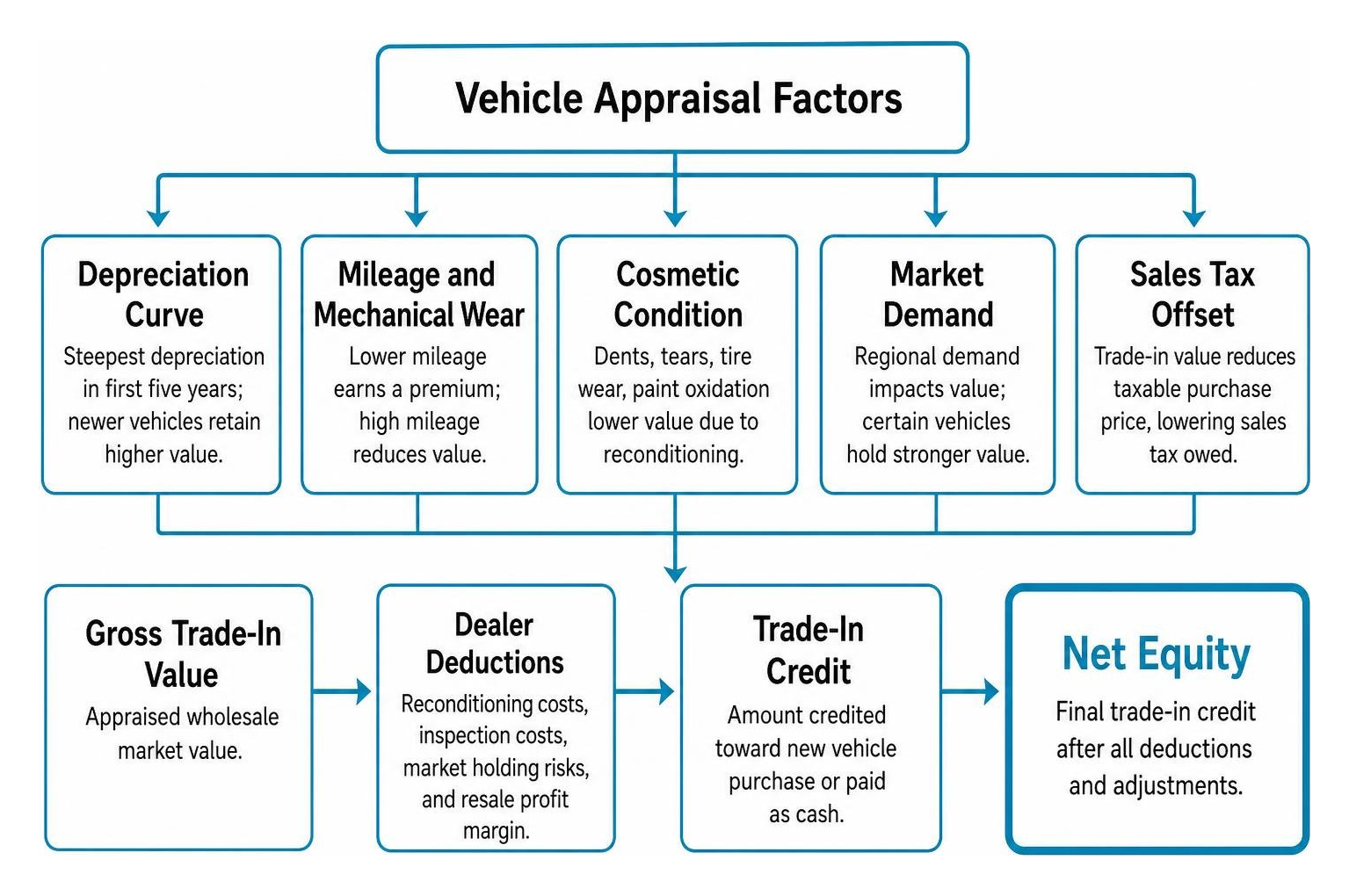
Several key variables drive the appraisal figure:
- Depreciation Curve: Vehicles experience their steepest rate of depreciation during their first five years of ownership. Newer vehicles retain higher absolute dollar amounts, but late-model trades often face sharper initial percentage drops.
- Mileage and Mechanical Wear: Mileage directly impacts remaining component lifespan. Vehicles with mileage significantly below regional averages command a premium, while high-mileage units are adjusted downward to account for upcoming maintenance.
- Cosmetic Condition: Dents, interior tears, tire tread wear, and paint oxidation reduce the baseline value because the buyer must invest labor and parts to make the car showroom-ready.
- Market Demand: Regional appetite heavily influences values. In South Florida, convertibles, trucks, and fuel-efficient commuters often maintain stronger seasonal demand than all-wheel-drive winter configurations.
- Sales Tax Offset: In Florida and many other states, trading in a car at the same time you buy another provides a tangible tax advantage. The state allows you to subtract the value of your trade-in from the taxable purchase price of your replacement vehicle, reducing your out-of-pocket sales tax liability.
Understanding the mechanics behind these valuations helps clarify your options. Review our complete vehicle trade-in process to see how every step of the appraisal connects to your final balance.
| Feature | Traditional Dealership Trade-In | Direct Local Cash Buyer |
|---|---|---|
| Transaction Structure | Tied directly to purchasing a new vehicle | Standalone sale; purchase not required |
| Appraisal Time | Often 1 to 2 hours of back-and-forth | Fast 15-minute appraisal |
| Offer Stability | May shift as new vehicle terms change | Up to 3-day locked price guarantee |
| Sales Tax Benefit | Applies against the purchase of another vehicle | Cash payout; apply funds toward private or independent deals |
| Process Complexity | Bureaucratic with multiple financing layers | Streamlined, transparent, and personalized |
The Best Way to Trade In a Car: Step-by-Step Walkthrough
Maximizing your vehicle’s return requires strategic preparation well before you drive onto any dealer lot. Following a methodical timeline ensures you never leave money on the table or find yourself cornered by high-pressure sales tactics.
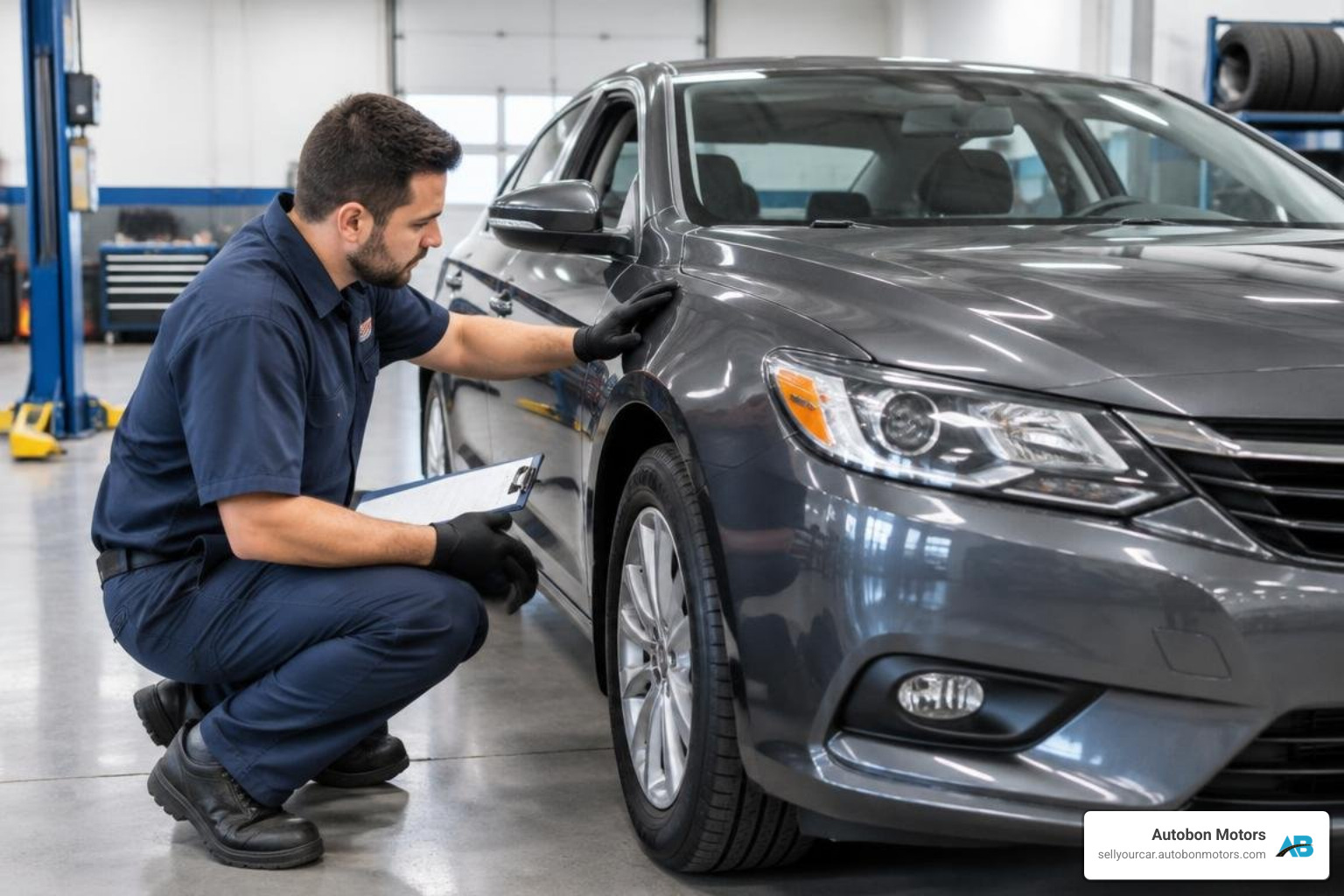
Begin your preparation about one to two weeks before you intend to close the deal:
- Pull Your Vehicle History: Verify your title status and review your vehicle history report to address any recorded discrepancies early.
- Perform Cost-Effective Detailing: Give the car a thorough wash and vacuum. Remove personal belongings, clean the floor mats, and clear out storage compartments.
- Address Minor Cosmetic Touch-Ups: Replace burned-out bulbs, top off essential fluids, and consider fixing small paint chips if the repair cost is low.
- Gather Independent Baseline Offers: Get concrete cash offers from reputable buyers before negotiating your next purchase. Using a reliable trade-in car price calculator helps establish an accurate, objective baseline.
Establishing Valuation: The Best Way to Trade In a Car for Full Value
To secure an equitable price, consult authoritative pricing guides and recent market data. Industry tools establish wholesale, private party, and dealer retail brackets based on recent regional sales. When reviewing these estimates, be completely objective about your vehicle’s physical condition. Most vehicles fall into the “Good” category rather than “Excellent,” as minor wear is standard for daily drivers.
Understanding how to balance market data with vehicle condition is essential for executing proven strategies for maximizing vehicle sale profit. You can also verify local transaction ranges through specialized Kelley Blue Book trade-in valuation methods to confirm what dealers in South Florida are actively paying for comparable inventory.
Preparing Paperwork and Vehicle for Appraisal
A smooth transaction hinges on proper documentation. Having your materials organized demonstrates responsible ownership and speeds up the transaction:
- Original Vehicle Title: If you own the vehicle free and clear, bring the physical title.
- Lien Details: If you have an active loan, bring your lender’s name, your account number, and a formal 10-day payoff letter.
- Maintenance Records: Provide documented service receipts showing routine oil changes, brake services, and scheduled inspections.
- Registration and Identification: Bring your current valid registration along with a government-issued photo ID.
- Accessories and Extras: Bring all sets of factory keys, key fobs, owner’s manuals, and original accessories (such as cargo covers or navigation discs).
For additional insider recommendations on presenting your vehicle favorably, explore our insider auto trade-in value tips.
Handling Equity: The Best Way to Trade In a Car with a Loan
Trading in a vehicle with an existing lien is common, but you must know where your equity stands before beginning negotiations.
- Positive Equity: Your car is worth more than the remaining balance on your auto loan. For example, if your vehicle appraises for a specific market value and your loan balance is lower, the difference represents positive equity. This surplus can be paid out directly to you in cash or applied as a down payment toward another vehicle.
- Negative Equity (“Underwater”): You owe more on the loan than the car’s current wholesale market value. If you decide to trade in an underwater vehicle, you must either pay the shortfall out of pocket or roll the negative balance into a new auto loan, which increases your overall debt and monthly financing costs.
To evaluate your loan options and avoid unfavorable financing terms, read our guide to selling a financed car quickly.
Dealership Trade-In vs. Selling Your Car for Cash: Choosing the Right Option
Car owners often weigh the differences between traditional dealership trade-ins, private sales, and selling directly to a dedicated local car-buying service. While a private sale on classified marketplaces can yield a higher gross price, it demands considerable time, advertising costs, dealing with unvetted strangers, conducting test drives, and handling the legal title transfer yourself.
Traditional dealership trade-ins offer convenience, but they bundle your trade valuation into new vehicle financing, making it difficult to track what you are actually receiving for your trade. Conversely, choosing a dedicated car buyer provides a clear, standalone cash appraisal independent of any purchase obligation.
To identify the best approach for your timeline, consult our guide on finding the best local vehicle trade-in options. Many motorists compare traditional dealer lots with modern alternatives to determine the most convenient route; see the comprehensive breakdown in Selling Your Car: What’s the Best Option, Dealer or Online? for broader industry context.
How to Negotiate Your Trade-In and Maximize Total Payout

When working with a traditional dealer, keep the transaction components separated. Dealership sales desks frequently bundle the trade-in value, the new vehicle sale price, and financing interest rates into a single monthly payment discussion. This structure obscures whether you are receiving an honest price for your trade.
- Negotiate Each Item Separately: Finalize the purchase price of the vehicle you want to buy before introducing your trade-in. This prevents the dealer from artificially raising your trade allowance while stripping discounts from the new car’s window sticker.
- Anchor Your Price with Written Offers: Bring locked, independent cash appraisals to the table. An established offer sets a firm floor for negotiations.
- Be Prepared to Walk Away: If a dealer attempts to undervalue your trade-in or add unexplained reconditioning fees, take your vehicle elsewhere.
If your vehicle has mechanical faults, high mileage, or cosmetic wear, work with specialists. Find vetted dealerships accepting any trade-in condition to secure fair wholesale market pricing regardless of vehicle history.
Frequently Asked Questions about Trading In a Car
When is it better to sell a car for cash rather than trading it in?
Selling for cash is ideal when you are downsizing, do not need an immediate replacement vehicle, or want to purchase your next car from a private seller. Selling directly for cash eliminates bundled negotiations, delivers an immediate payout, and allows you to use your funds without dealership restrictions.
How do state sales tax credits work on vehicle trade-ins?
In Florida, when you trade in a car at the time of purchasing a replacement vehicle from the same dealer, state sales tax applies only to the net difference between the purchase price and the trade-in allowance. If you purchase a vehicle and trade in an existing car, you pay sales tax only on the remaining balance, saving you money on the transaction.
Can you trade in a car if you still owe money on the loan?
Yes. The purchasing dealership or buying service will contact your lienholder to obtain a formal 10-day payoff amount. Once the vehicle is appraised, the buyer pays off the remaining loan balance directly with your lender. Any remaining positive equity is returned directly to you in cash or applied as a credit toward your new vehicle.
Conclusion
Maximizing your vehicle’s value does not have to involve stressful sales negotiations or hours spent waiting in a crowded dealership showroom. At Autobon Motors, we have redesigned the car selling and trade-in experience to be more convenient, personalized, and transparent. We cater directly to local sellers throughout Fort Lauderdale, Miami, and Broward County without the bureaucratic delays common at traditional dealerships.
We back every transaction with our higher offer guarantee, providing fast 15-minute appraisals and a 3-day locked price so you can make your decision with complete confidence.
Our streamlined selling process requires just four simple steps:
- Book your Appointment Online: Choose a date and time that fits your schedule.
- Bring your Car: Visit our comfortable Fort Lauderdale facility for a rapid inspection.
- Get an instant Offer by one of our advisors: Review an honest, transparent appraisal based on real-time market data.
- Get Paid on the Spot: Complete simple paperwork and walk away with your payment immediately.
Ready to see what your vehicle is worth today? Visit Autobon Motors to get an instant cash offer for your vehicle and experience a faster, simpler way to sell your car in South Florida.