
Essential Information Needed to Value Your Vehicle Accurately
Getting an accurate valuation starts with having the right facts at your fingertips. Online calculators and appraisal algorithms rely entirely on the information you provide, so vague details will only produce vague numbers.
To ensure you receive a realistic valuation, gather the following details before starting:
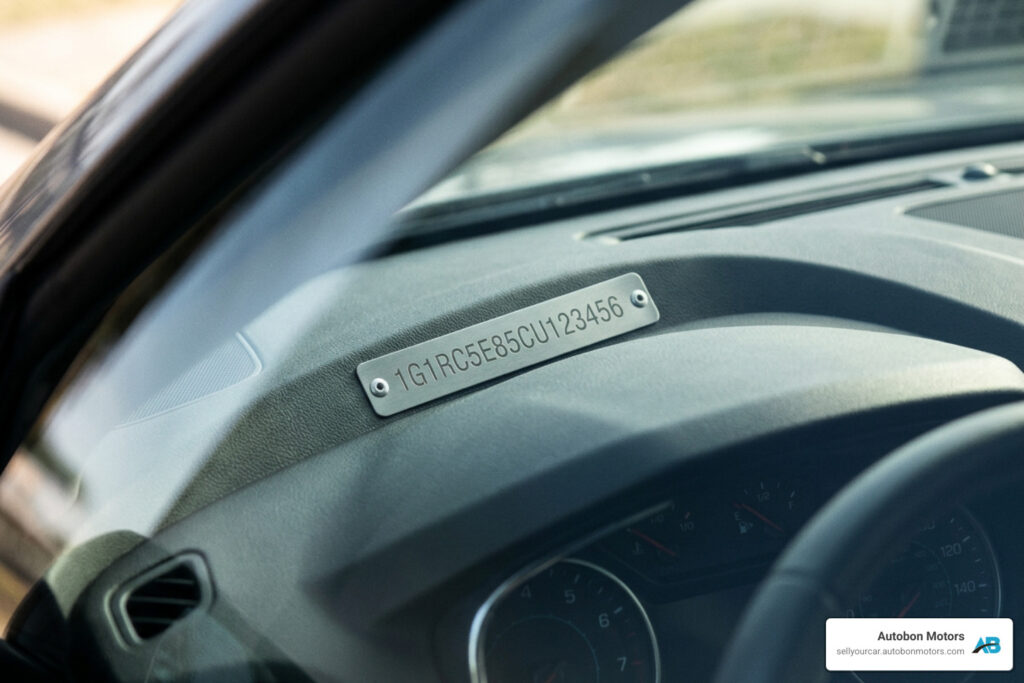
- Vehicle Identification Number (VIN) or License Plate: A 17-character VIN identifies the exact build of your vehicle, including factory packages, engine options, and trim levels. Platforms like CARFAX use this to cross-reference service records, open safety recalls, and ownership history.
- Exact Odometer Reading: Mileage heavily dictates value. A standard passenger vehicle typically accumulates 12,000 to 15,000 miles per year; significantly lower or higher mileage moves the valuation needle immediately.
- Trim Level and Factory Options: Premium sound systems, driver-assistance packages, panoramic sunroofs, and upgraded wheel packages can add hundreds or thousands of dollars to a vehicle’s baseline price.
- Detailed Maintenance Records: Comprehensive service records showing routine oil changes, brake services, and scheduled inspections prove the vehicle was well-maintained, directly boosting buyer confidence.
- Vehicle History and Title Status: A clean title with zero accident history commands top dollar. Conversely, branded titles (salvage, rebuilt, flood) drastically reduce retail and wholesale worth.
Key Factors That Impact Vehicle Depreciation
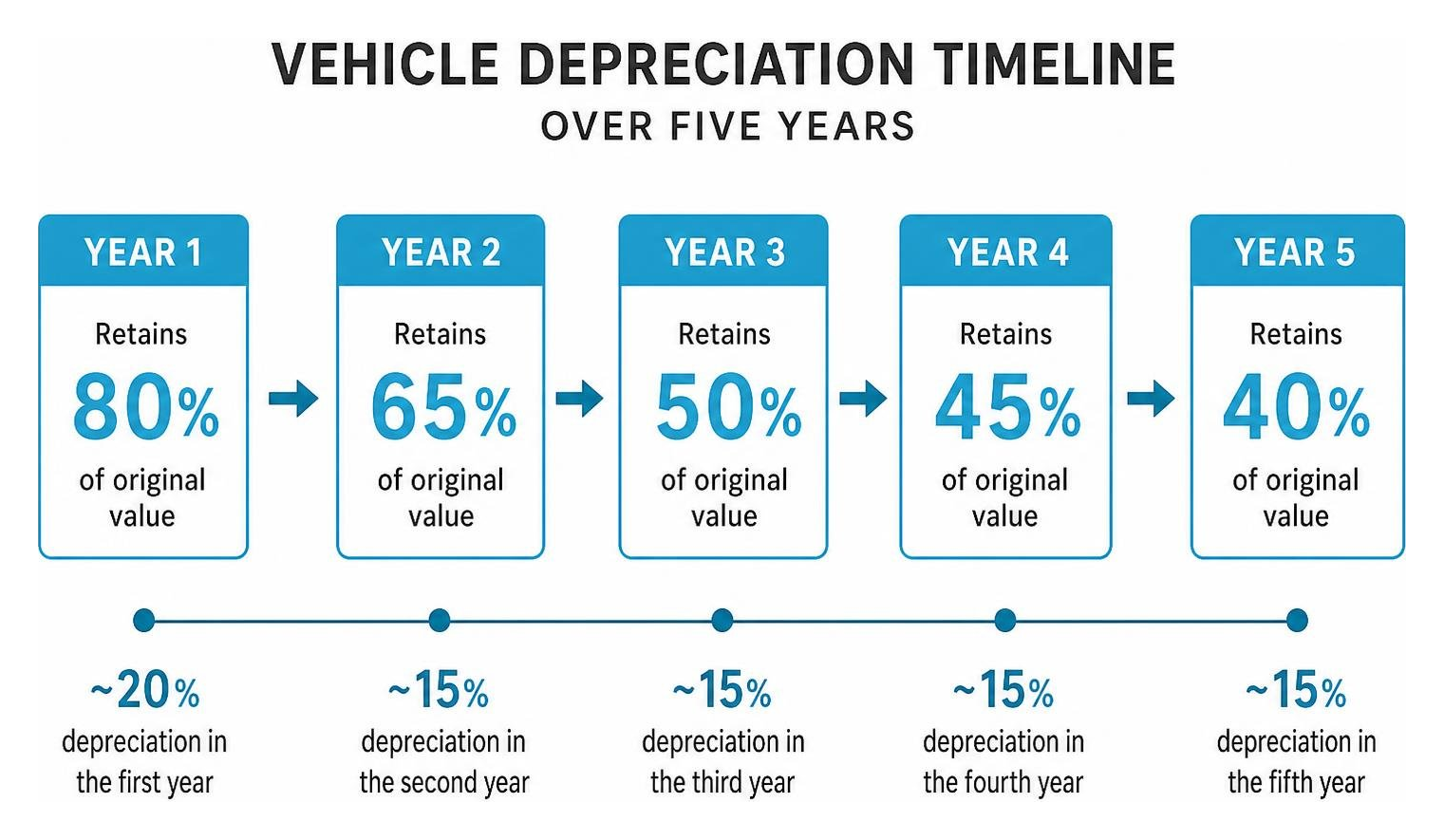
Depreciation is the single largest expense of vehicle ownership. A typical new car loses roughly 20% of its initial value within the first year alone, followed by roughly 15% depreciation each subsequent year. By year five, most vehicles retain only about 40% of their original purchase price.
Several variables influence how quickly or slowly your car sheds value:
- Mileage and Wear: High mileage accelerates wear on powertrain components, suspension, and interior upholstery.
- Accident and Body History: Even properly repaired cosmetic collisions can result in an inherent value reduction. Understanding how to calculate diminished value loss helps vehicle owners evaluate how a past crash history dampens current market pricing.
- Local Market Demand: In sunny regions like Fort Lauderdale, Miami, and Broward County, convertibles, luxury sedans, and performance SUVs often experience stronger seasonal demand than all-wheel-drive winter vehicles.
- Overall Condition Grading: Most valuation guides divide vehicle condition into four standard tiers: Excellent, Very Good, Good, and Fair. Less than 5% of all used vehicles truly qualify as “Excellent.” Being honest about scratches, tire tread depth, and cabin wear ensures your appraisal matches reality.
How to Find Out How Much a Car Is Worth Using Market Data
Modern automotive valuation is driven by real-time transactions rather than guesswork. Online valuation tools and appraisal systems analyze massive datasets of recent dealer transactions, wholesale auto auctions, private sales, and live retail listings. To understand how professional appraisers evaluate vehicles, review this step-by-step car appraisal and value estimation guide to see the full breakdown of how physical inspections align with market data.
Use Online Appraisal Tools to Find Out How Much Your Car Is Worth
To build a reliable price baseline, vehicle owners should cross-reference several independent automotive appraisal resources before negotiating:
- Kelley Blue Book (KBB): Trusted since 1926, KBB aggregates consumer and dealer data to establish Fair Market Ranges for private party sales and trade-in scenarios. Check our guide on Kelley Blue Book trade-in value methods to make the most of its pricing tiers.
- Edmunds: The Edmunds Appraisal tool calculates True Market Value (TMV) using localized dealer transactional data, regional inventory levels, and seasonal depreciation metrics.
- Dealer Wholesale Data: Professional automotive buyers also rely on wholesale indices. Exploring this ultimate guide to car black book value explains how dealer-only wholesale pricing shapes real-world cash offers.
- International & Regional Portals: Independent automotive directories like carsales.com.au illustrate how algorithmic trade pricing works across diverse automotive marketplaces.
Compare Trade-In Value, Private Party, and Instant Cash Offers
When exploring vehicle estimates, you will encounter three distinct valuation figures:
| Valuation Metric | What It Means | Typical Price Realized | Effort & Time Required |
|---|---|---|---|
| Private Party Value | Selling the vehicle yourself directly to another individual consumer. | Highest potential gross payout | High (handling inquiries, test drives, title transfer, scams) |
| Dealership Trade-In | Trading the vehicle at a dealership toward the purchase of another vehicle. | Lower than private sale (wholesale margin applied) | Low-to-Medium (paperwork wrapped into new purchase) |
| Instant Cash Offer | A direct purchase offer from a dedicated car buyer or dealer without buying another car. | Competitive cash payout with zero trade-in requirement | Lowest (fast inspection and immediate payment) |
Each method serves different seller priorities. While selling privately can theoretically fetch a slightly higher sticker price, it comes with weeks of messaging unqualified buyers, managing payment risks, and scheduling test drives. Conversely, instant cash buyers eliminate marketing costs and purchase the car immediately.
Smart Selling and Negotiation Strategies for Car Owners

Knowing what your vehicle is worth gives you substantial leverage whether you are trading in, selling privately, or negotiating a direct cash sale. Sellers who understand baseline figures can spot lowball offers immediately and stand firm on an accurate market price.
Why You Should Find Out What Your Car Is Worth Before Negotiating
Entering any sales discussion without verified market data puts you at an immediate disadvantage. Traditional dealerships and private bargain hunters will naturally highlight minor cosmetic blemishes or routine wear to justify lower bids. By knowing your numbers through tools like a trade-in car price calculator, you can anchor negotiations around verifiable local comps.
To maximize your final return, apply these proven pre-sale strategies:
- Address Inexpensive Repairs First: Small investments yield substantial returns. Replacing a cracked taillight, popping out a minor paintless dent, fixing curb rash on wheels, or paying for a professional interior detail can yield returns far exceeding the out-of-pocket repair costs.
- Compile Documentation in Advance: Presenting an organized folder containing the vehicle title, recent maintenance receipts, warranty transfer sheets, and an updated vehicle history report demonstrates transparent ownership and justifies a higher price tier.
- Time Your Sale Strategically: Automotive inventory fluctuates throughout the year. When national or regional supplies tighten—such as when dealer inventory drops from higher levels down toward leaner seasonal buffers—dealer demand for quality local inventory rises, yielding higher cash offers.
- Separate the Trade-in from the Purchase: If you plan to buy another car, always negotiate your trade-in value separately from the purchase price of your next vehicle to keep the transaction transparent.
Frequently Asked Questions About Used Car Valuation
How does accident history affect resale value?
The average impact on retail price is just under $500 for a vehicle that has been in a minor fender bender with purely cosmetic bumper repairs. However, that impact jumps to an average deduction of $2,100 or more for a vehicle that has sustained severe structural or frame damage, or where airbags deployed. Providing professional body shop repair receipts and alignment printouts helps reassure potential buyers that repairs met factory safety standards.
Why do vehicle valuations differ between regions?
Automotive values change based on regional supply, weather conditions, economic factors, and local lifestyle preferences. Convertibles, premium roadsters, and luxury rear-wheel-drive sedans maintain stronger demand in South Florida year-round compared to colder northern climates where all-wheel-drive crossovers and winter-ready trucks are essential.
Are there hidden fees when using instant online valuation tools?
Legitimate valuation tools and instant appraisal services provide free, no-obligation quotes. Reputable buyers do not charge administration, appraisal, or inspection fees simply to appraise your vehicle and make a formal cash offer.
How can I find out how much car worth estimates differ from dealer offers?
Online valuation estimates represent statistical aggregates from past sales, whereas real dealer offers reflect current market inventory, reconditioning costs, and immediate auction demand. Cross-referencing trade-in guides with physical appraisal inspections bridges the gap between digital estimates and guaranteed cash.
Conclusion: Getting the Best Price for Your Vehicle
Uncovering the true market value of your car requires looking past automated algorithms and matching your vehicle’s condition, records, and history with local market dynamics. While private selling can yield a higher gross price, it demands significant time, safety risks from strangers, and frustrating delays.
Autobon Motors provides a streamlined, personalized alternative catered specifically to South Florida sellers who want maximum value without the traditional dealership hassle:
- Book your Appointment Online: Choose a convenient time without waiting in dealership lobbies.
- Bring your Car: Visit our Fort Lauderdale location for a quick, 15-minute physical review.
- Get an instant Offer by one of our advisors: Receive a transparent, top-dollar appraisal backed by a 3-day price lock guarantee.
- Get Paid on the Spot: Complete the transaction with no bureaucratic red tape and leave with immediate payment.
Ready to see what your vehicle is worth? Secure your instant car appraisal and cash offer today.